5 min
Is the Gut-Brain Connection Real? Answering Parent Questions About Neurodiversity and GI Health
Navigating the science behind the gut-brain axis. This guide separates fact from fiction to help parents support their child's digestive health, daily comfort, and overall well-being.
Category
Health & Neurodiversity
Category
Health & Neurodiversity
Date
May 7, 2026
Date
May 7, 2026
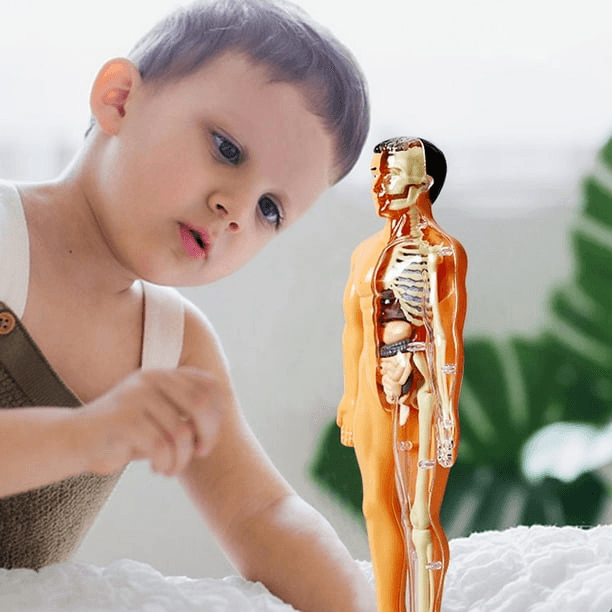
Recently, many parents in our community have been asking about the "gut-brain axis"—and for good reason. It’s a topic filled with both incredible scientific promise and a fair amount of confusing misinformation found online.
As a parent or caregiver, your goal isn't usually to find a "miracle cure," but rather to help your child feel comfortable, regulated, and ready to take on the day. Understanding how the gut and brain talk to each other can be a game-changer for managing daily wellbeing. Here is a look at what we currently know, what we don't, and how to use this info to support your child’s unique needs.
The Science: A Two-Way Street
The gut and the brain are in constant communication. This isn't just a "gut feeling"—it’s a biological pathway involving the vagus nerve, the immune system, and biochemicals like serotonin.
Research has shown that neurodiverse children often have different microbiome profiles than their neurotypical peers. Specifically, studies have noted variations in "neuroactive" metabolites—the messengers produced by gut bacteria that help the brain function. While this doesn't mean the gut causes neurodivergence, it does suggest that a happy gut can lead to a more regulated brain.
Clearing Up the Myths
Because this field is evolving so quickly, myths often outpace the facts. It is helpful to keep these two points in mind:
The "Cure" Myth: There is no evidence that probiotics or specific diets "fix" or "cure" neurodivergence. Autism and ADHD are differences in brain wiring, not a disease of the digestive tract.
The "Root Cause" Myth: While gut issues are common in neurodiverse kids, science hasn't proven that gut health is the cause of autism. Instead, they seem to be overlapping parts of a child's unique biology.
Practical Insights for Families
If your child is struggling with regulation or focus, the gut is a great place to look—not as a proxy for behavior, but as a legitimate health factor. A child who is dealing with discomfort or GI distress will naturally have a harder time staying calm or paying attention.
What to track:
Physical Signs: Constipation, bloating, or frequent stomach aches.
Sleep & Appetite: Is a tummy ache keeping them up at night or making them restless?
Food Selectivity: Many children have sensory preferences that limit their fiber intake, which can create a cycle of GI discomfort.
Key Perspective: Treat gut symptoms as physical health issues. If your child is struggling, ask: "Are they overwhelmed by the environment, or is their stomach causing them physical distress?"
What Helps the Most?
While experimental treatments are always in the news, the most effective supports are often the most practical ones.
Routine & Hydration: Steady routines help lower stress, which directly impacts digestion. Consistent hydration is also the first line of defense against GI sluggishness.
Fiber as Tolerated: Finding creative ways to introduce fiber can help with chronic constipation, a common hurdle for many kids.
Medical Partnership: Work with a pediatrician or a pediatric specialist to rule out things like celiac disease or reflux that might be causing "behavioral" flares.
Nutrition First: Before jumping into restrictive diets, ensure your child isn't missing out on vital nutrients. Supervised changes are always safer and more sustainable.
Takeaway
The gut-brain connection is a powerful tool for improving a child's quality of life. When a child feels physically comfortable, they have more energy for learning, playing, and connecting. By focusing on comfort and nutrition rather than "miracle claims," you can provide your child with a solid foundation for growth.
Recently, many parents in our community have been asking about the "gut-brain axis"—and for good reason. It’s a topic filled with both incredible scientific promise and a fair amount of confusing misinformation found online.
As a parent or caregiver, your goal isn't usually to find a "miracle cure," but rather to help your child feel comfortable, regulated, and ready to take on the day. Understanding how the gut and brain talk to each other can be a game-changer for managing daily wellbeing. Here is a look at what we currently know, what we don't, and how to use this info to support your child’s unique needs.
The Science: A Two-Way Street
The gut and the brain are in constant communication. This isn't just a "gut feeling"—it’s a biological pathway involving the vagus nerve, the immune system, and biochemicals like serotonin.
Research has shown that neurodiverse children often have different microbiome profiles than their neurotypical peers. Specifically, studies have noted variations in "neuroactive" metabolites—the messengers produced by gut bacteria that help the brain function. While this doesn't mean the gut causes neurodivergence, it does suggest that a happy gut can lead to a more regulated brain.
Clearing Up the Myths
Because this field is evolving so quickly, myths often outpace the facts. It is helpful to keep these two points in mind:
The "Cure" Myth: There is no evidence that probiotics or specific diets "fix" or "cure" neurodivergence. Autism and ADHD are differences in brain wiring, not a disease of the digestive tract.
The "Root Cause" Myth: While gut issues are common in neurodiverse kids, science hasn't proven that gut health is the cause of autism. Instead, they seem to be overlapping parts of a child's unique biology.
Practical Insights for Families
If your child is struggling with regulation or focus, the gut is a great place to look—not as a proxy for behavior, but as a legitimate health factor. A child who is dealing with discomfort or GI distress will naturally have a harder time staying calm or paying attention.
What to track:
Physical Signs: Constipation, bloating, or frequent stomach aches.
Sleep & Appetite: Is a tummy ache keeping them up at night or making them restless?
Food Selectivity: Many children have sensory preferences that limit their fiber intake, which can create a cycle of GI discomfort.
Key Perspective: Treat gut symptoms as physical health issues. If your child is struggling, ask: "Are they overwhelmed by the environment, or is their stomach causing them physical distress?"
What Helps the Most?
While experimental treatments are always in the news, the most effective supports are often the most practical ones.
Routine & Hydration: Steady routines help lower stress, which directly impacts digestion. Consistent hydration is also the first line of defense against GI sluggishness.
Fiber as Tolerated: Finding creative ways to introduce fiber can help with chronic constipation, a common hurdle for many kids.
Medical Partnership: Work with a pediatrician or a pediatric specialist to rule out things like celiac disease or reflux that might be causing "behavioral" flares.
Nutrition First: Before jumping into restrictive diets, ensure your child isn't missing out on vital nutrients. Supervised changes are always safer and more sustainable.
Takeaway
The gut-brain connection is a powerful tool for improving a child's quality of life. When a child feels physically comfortable, they have more energy for learning, playing, and connecting. By focusing on comfort and nutrition rather than "miracle claims," you can provide your child with a solid foundation for growth.

Related Blogs
Explore more related projects that delivered real impact and lasting growth.