5 min
Occupational Therapy and Sensory Integration: The Science of Focus and Regulation
Dive into the science behind sensory processing, backed by recent research, and discover how specialized Occupational Therapy and Sensory Integration help children manage their environments and unlock their true potential
Category
Occupational Therapy & Research
Category
Occupational Therapy & Research
Date
May 7, 2026
Date
May 7, 2026
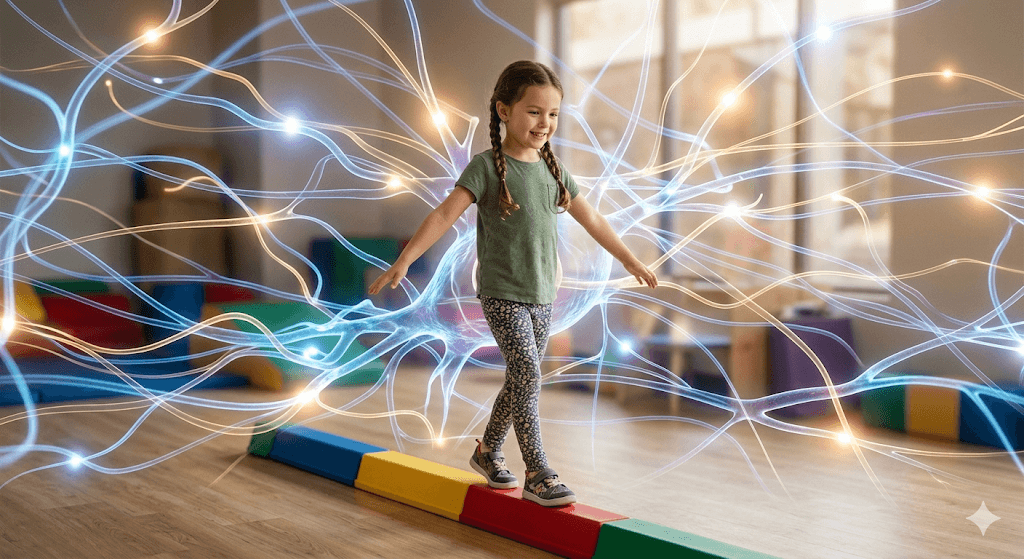
When a child struggles with daily life—whether it is a meltdown over a loud hand dryer or a student crashing into furniture during class—it is easy for parents and teachers to feel overwhelmed. However, recent research confirms that these challenges are often not "bad behavior," but rather a neurological struggle with sensory processing.
A 2024 study published in Cureus (Jaicks et al., 2024) specifically evaluated the benefits of Occupational Therapy and Sensory Integration in children. The evidence shows that targeted intervention can significantly improve a child’s ability to build relationships, communicate, and manage daily life.
The Professional Distinction: Occupational Therapy and Sensory Integration
It is vital for parents and educators to understand that while all Sensory Integration Therapy is a form of Occupational Therapy, not all Occupational Therapists are certified to provide it.
Occupational Therapy: A broad profession that helps children develop the skills needed for the "occupations" of childhood—playing, learning, and self-care. This includes fine motor skills like handwriting and dressing.
Sensory Integration Therapy: This is a specialized, post-graduate area of expertise. While a general Occupational Therapist might suggest a sensory strategy (like a weighted lap pad), a Sensory Integration Certified Professional focuses on "rewiring" how the brain perceives and organizes sensory input. They target the root neurological cause of the behavior rather than just managing the symptoms.
Supporting the Foundation: The Role of Physiotherapy
While the primary focus for regulation is often sensory, Physiotherapy plays a critical supporting role. It focuses on the mechanics of the body—building the core strength, posture, and gross motor balance that a child needs to physically stay upright and move efficiently. Without the physical strength provided by Physiotherapy, a child may struggle to fully benefit from sensory-based activities.
The Evidence: What the 2024 Research Found
The study monitored children using the Autism Behavior Checklist (ABC) over 10 therapy sessions. The findings suggest that early, specialized intervention leads to measurable success (Jaicks et al., 2024):
Rapid Progress: Significant improvements in sensory processing and relationship-building were observed in as few as five sessions (Jaicks et al., 2024).
Behavioral Change: There was a clear decrease in problematic behaviors, which directly improved the child's language skills and social self-care (Jaicks et al., 2024).
Neuroplasticity: Purposeful, repetitive activities help the brain develop "neural plasticity," allowing it to better process the world (Jaicks et al., 2024).
Key Concepts: Bilateral Integration and The Sensory Diet
A certified professional uses a Sensory Profile to understand a child's unique needs. From there, they build a Sensory Diet—a timed schedule of activities to keep the nervous system regulated. A critical part of this is Bilateral Integration.
What is it? The ability to coordinate both sides of the body at the same time (e.g., jumping jacks, swimming, or using a rolling pin).
Why it matters: Bilateral Integration helps the left and right hemispheres of the brain communicate. This is essential for "crossing the midline," a skill required for reading, writing, and physical coordination.
Modifying Environments for Success
Research emphasizes that therapy is most effective when supported by changes at home and in the classroom.
Modifying the Home Environment
Visual Support: Replace harsh fluorescent bulbs with warm lamps to reduce visual fatigue.
Tactile Comfort: Use tag-free shirts and seamless socks to prevent meltdowns during routines.
Quiet Zones: Create a "reset" space with soft textures and low light.
Modifying the School Environment
Flexible Seating: Use therapy ball seats or "wiggle cushions" to allow for subtle movement during lessons.
Heavy Work: Have students help move stacks of books or push a cart to provide "grounding" input during transitions.
Your Roadmap for Support
If a child is struggling, the evidence points toward a specific roadmap:
Consult a Certified Professional: Seek an Occupational Therapist with post-graduate Sensory Integration certification (such as SIPT or Ayres Sensory Integration).
Evaluate: Use standardized tools to create a Sensory Profile.
Implement: Use a customized sensory diet that includes bilateral coordination and "heavy work" exercises to support brain development (Jaicks et al., 2024).
By following these evidence-based steps, parents and schools can stop managing behaviors and start unlocking a child's true potential.
When a child struggles with daily life—whether it is a meltdown over a loud hand dryer or a student crashing into furniture during class—it is easy for parents and teachers to feel overwhelmed. However, recent research confirms that these challenges are often not "bad behavior," but rather a neurological struggle with sensory processing.
A 2024 study published in Cureus (Jaicks et al., 2024) specifically evaluated the benefits of Occupational Therapy and Sensory Integration in children. The evidence shows that targeted intervention can significantly improve a child’s ability to build relationships, communicate, and manage daily life.
The Professional Distinction: Occupational Therapy and Sensory Integration
It is vital for parents and educators to understand that while all Sensory Integration Therapy is a form of Occupational Therapy, not all Occupational Therapists are certified to provide it.
Occupational Therapy: A broad profession that helps children develop the skills needed for the "occupations" of childhood—playing, learning, and self-care. This includes fine motor skills like handwriting and dressing.
Sensory Integration Therapy: This is a specialized, post-graduate area of expertise. While a general Occupational Therapist might suggest a sensory strategy (like a weighted lap pad), a Sensory Integration Certified Professional focuses on "rewiring" how the brain perceives and organizes sensory input. They target the root neurological cause of the behavior rather than just managing the symptoms.
Supporting the Foundation: The Role of Physiotherapy
While the primary focus for regulation is often sensory, Physiotherapy plays a critical supporting role. It focuses on the mechanics of the body—building the core strength, posture, and gross motor balance that a child needs to physically stay upright and move efficiently. Without the physical strength provided by Physiotherapy, a child may struggle to fully benefit from sensory-based activities.
The Evidence: What the 2024 Research Found
The study monitored children using the Autism Behavior Checklist (ABC) over 10 therapy sessions. The findings suggest that early, specialized intervention leads to measurable success (Jaicks et al., 2024):
Rapid Progress: Significant improvements in sensory processing and relationship-building were observed in as few as five sessions (Jaicks et al., 2024).
Behavioral Change: There was a clear decrease in problematic behaviors, which directly improved the child's language skills and social self-care (Jaicks et al., 2024).
Neuroplasticity: Purposeful, repetitive activities help the brain develop "neural plasticity," allowing it to better process the world (Jaicks et al., 2024).
Key Concepts: Bilateral Integration and The Sensory Diet
A certified professional uses a Sensory Profile to understand a child's unique needs. From there, they build a Sensory Diet—a timed schedule of activities to keep the nervous system regulated. A critical part of this is Bilateral Integration.
What is it? The ability to coordinate both sides of the body at the same time (e.g., jumping jacks, swimming, or using a rolling pin).
Why it matters: Bilateral Integration helps the left and right hemispheres of the brain communicate. This is essential for "crossing the midline," a skill required for reading, writing, and physical coordination.
Modifying Environments for Success
Research emphasizes that therapy is most effective when supported by changes at home and in the classroom.
Modifying the Home Environment
Visual Support: Replace harsh fluorescent bulbs with warm lamps to reduce visual fatigue.
Tactile Comfort: Use tag-free shirts and seamless socks to prevent meltdowns during routines.
Quiet Zones: Create a "reset" space with soft textures and low light.
Modifying the School Environment
Flexible Seating: Use therapy ball seats or "wiggle cushions" to allow for subtle movement during lessons.
Heavy Work: Have students help move stacks of books or push a cart to provide "grounding" input during transitions.
Your Roadmap for Support
If a child is struggling, the evidence points toward a specific roadmap:
Consult a Certified Professional: Seek an Occupational Therapist with post-graduate Sensory Integration certification (such as SIPT or Ayres Sensory Integration).
Evaluate: Use standardized tools to create a Sensory Profile.
Implement: Use a customized sensory diet that includes bilateral coordination and "heavy work" exercises to support brain development (Jaicks et al., 2024).
By following these evidence-based steps, parents and schools can stop managing behaviors and start unlocking a child's true potential.
Related Blogs
Explore more related projects that delivered real impact and lasting growth.