5 min
Why Special Education Needs Matter: Building Inclusive Learning for Every Child
An insightful exploration into the vital role of tailored support in education, highlighting how inclusive environments and individualized programs empower children of all abilities to thrive.
Category
Category
Date
May 7, 2026
Date
May 7, 2026
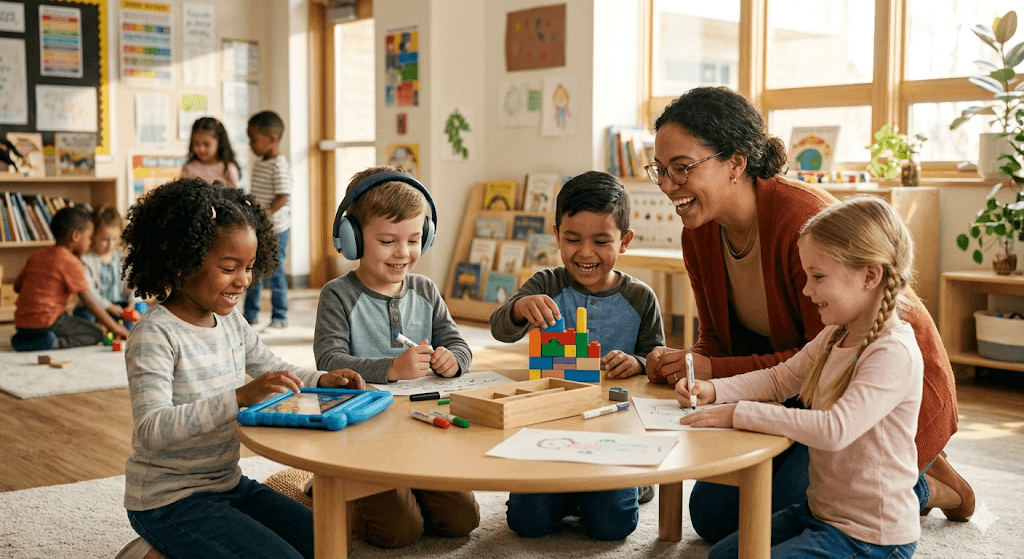
Every child learns differently, and that is exactly why special education needs are so important. Special education provides tailored support that helps children with disabilities, learning differences, or developmental challenges access education in a way that matches their strengths and needs. When children receive the right support early, they are more likely to build confidence, improve academic performance, and develop essential life skills.
Inclusive classrooms and individualized support also help children feel valued, supported, and connected to their peers.
What Special Education Is
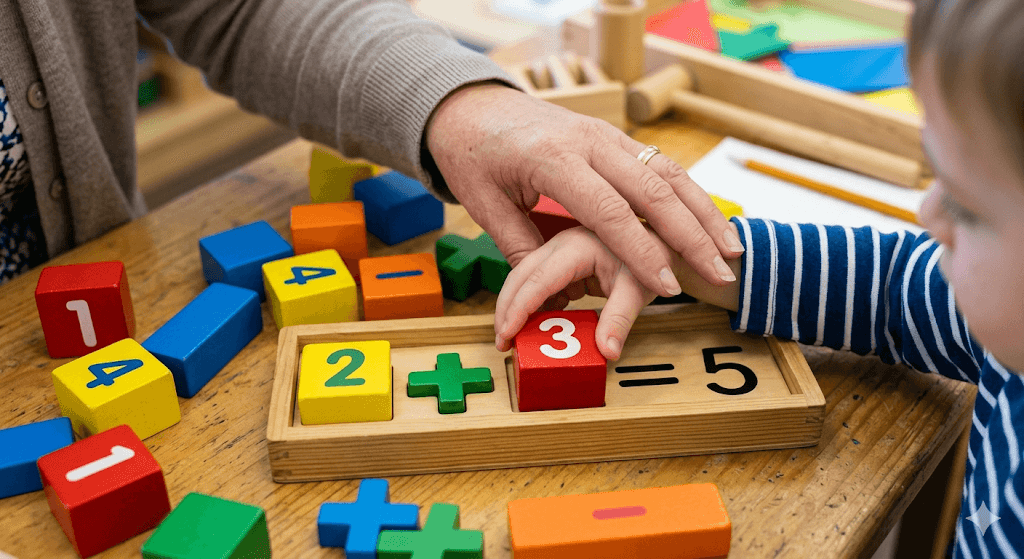
Special education is a customized approach to teaching that adapts lessons, methods, and classroom support to suit each learner. It often includes Individualized Education Programs (IEPs), assistive tools, specialized instruction, and accommodations such as extra time, simplified tasks, or sensory support.
The goal is not to lower expectations, but to create a fair learning environment where every child can make progress. This approach recognizes that children may need different paths to reach the same educational goals.
Academic Benefits
One of the biggest benefits of special education is improved academic growth. Children who receive targeted support are better able to understand lessons, stay engaged, and work toward learning goals that are realistic and meaningful for them.
Special education also allows teachers to use methods that fit the child, such as multisensory learning, smaller tasks, or structured routines. These strategies can improve reading, math, communication, and classroom participation.
Confidence and Independence
Special education does more than support schoolwork. It helps children build self-confidence by showing them that they can succeed with the right tools and encouragement.
As children learn to complete tasks independently, follow routines, and express their needs, they become more prepared for everyday life. This growth in independence is one of the most valuable long-term outcomes of special education.
Social and Emotional Growth
Children with special education needs often benefit socially when they learn in inclusive and supportive environments. Interaction with peers can strengthen communication skills, teamwork, and friendships, while also helping children feel less isolated.
Inclusive education also benefits classmates by encouraging empathy, patience, and understanding. A school culture that supports diverse learners creates a stronger community for everyone.
Why Inclusion Matters
Inclusion gives children with special education needs the opportunity to learn alongside their peers whenever appropriate. Research and education resources show that inclusive settings can support academic achievement, language development, self-esteem, and social skills when proper accommodations are in place.
This is why inclusion should be seen as part of quality education, not as an optional extra. When schools design learning environments that accommodate different needs, more children can participate fully and succeed.
Supporting Families and Schools
Special education is also important because it supports families and teachers. Parents gain peace of mind when they know their child is receiving the right help, while teachers can use structured plans to guide progress and reduce frustration in the classroom.
Final Thoughts
Special education needs matter because every child deserves a learning environment where they can grow, succeed, and feel included. With the right support, children can build confidence, improve academically, and develop the skills they need for life.
Every child learns differently, and that is exactly why special education needs are so important. Special education provides tailored support that helps children with disabilities, learning differences, or developmental challenges access education in a way that matches their strengths and needs. When children receive the right support early, they are more likely to build confidence, improve academic performance, and develop essential life skills.
Inclusive classrooms and individualized support also help children feel valued, supported, and connected to their peers.
What Special Education Is
Special education is a customized approach to teaching that adapts lessons, methods, and classroom support to suit each learner. It often includes Individualized Education Programs (IEPs), assistive tools, specialized instruction, and accommodations such as extra time, simplified tasks, or sensory support.
The goal is not to lower expectations, but to create a fair learning environment where every child can make progress. This approach recognizes that children may need different paths to reach the same educational goals.
Academic Benefits
One of the biggest benefits of special education is improved academic growth. Children who receive targeted support are better able to understand lessons, stay engaged, and work toward learning goals that are realistic and meaningful for them.
Special education also allows teachers to use methods that fit the child, such as multisensory learning, smaller tasks, or structured routines. These strategies can improve reading, math, communication, and classroom participation.
Confidence and Independence
Special education does more than support schoolwork. It helps children build self-confidence by showing them that they can succeed with the right tools and encouragement.
As children learn to complete tasks independently, follow routines, and express their needs, they become more prepared for everyday life. This growth in independence is one of the most valuable long-term outcomes of special education.
Social and Emotional Growth
Children with special education needs often benefit socially when they learn in inclusive and supportive environments. Interaction with peers can strengthen communication skills, teamwork, and friendships, while also helping children feel less isolated.
Inclusive education also benefits classmates by encouraging empathy, patience, and understanding. A school culture that supports diverse learners creates a stronger community for everyone.
Why Inclusion Matters
Inclusion gives children with special education needs the opportunity to learn alongside their peers whenever appropriate. Research and education resources show that inclusive settings can support academic achievement, language development, self-esteem, and social skills when proper accommodations are in place.
This is why inclusion should be seen as part of quality education, not as an optional extra. When schools design learning environments that accommodate different needs, more children can participate fully and succeed.
Supporting Families and Schools
Special education is also important because it supports families and teachers. Parents gain peace of mind when they know their child is receiving the right help, while teachers can use structured plans to guide progress and reduce frustration in the classroom.
Final Thoughts
Special education needs matter because every child deserves a learning environment where they can grow, succeed, and feel included. With the right support, children can build confidence, improve academically, and develop the skills they need for life.
Related Blogs
Explore more related projects that delivered real impact and lasting growth.